
Catalog Format Options
Physical Documentation
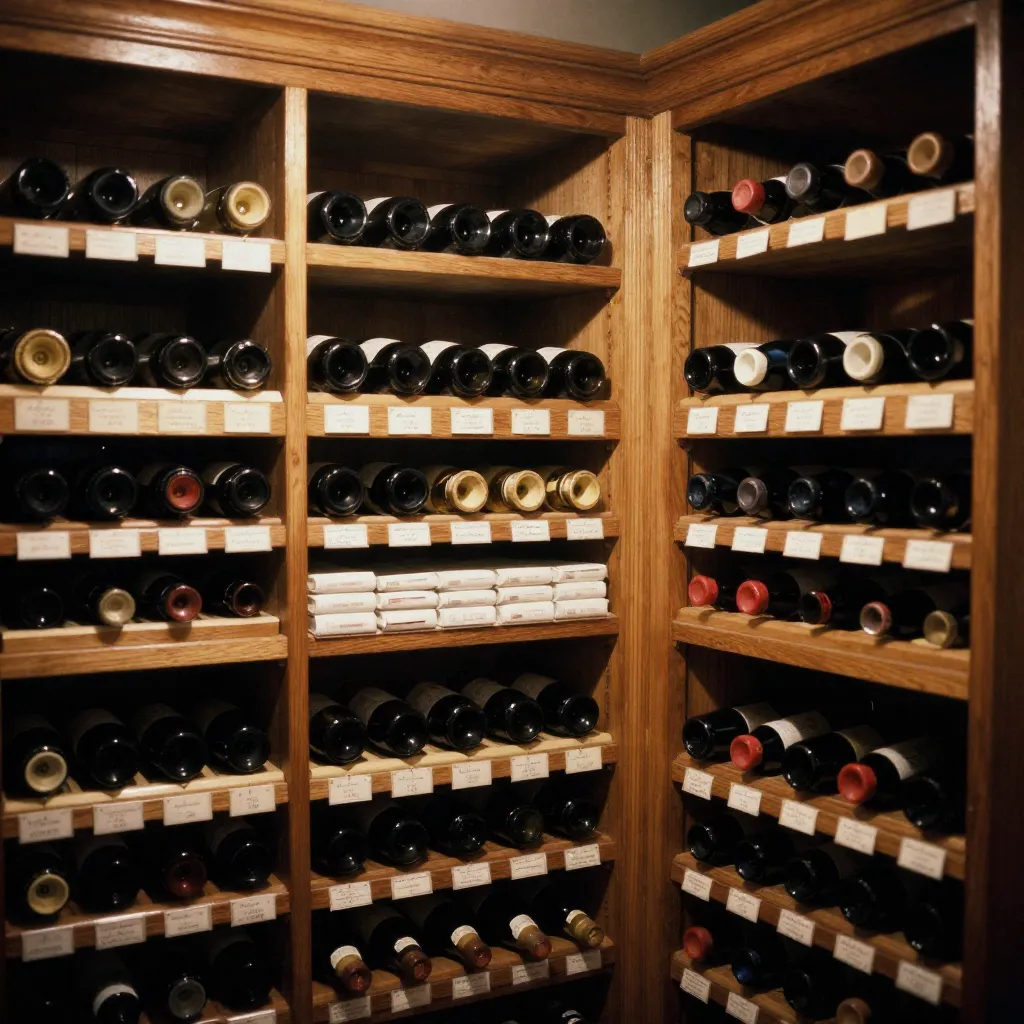
Traditional binders provide tangible reference materials for your collection. These elegant physical catalogs offer offline access and serve as permanent records of your inventory.
Printed formats allow for handwritten notes, personal annotations, and visual documentation that complements digital systems. They serve as reliable backup references when digital access is unavailable.
Digital Database Solutions
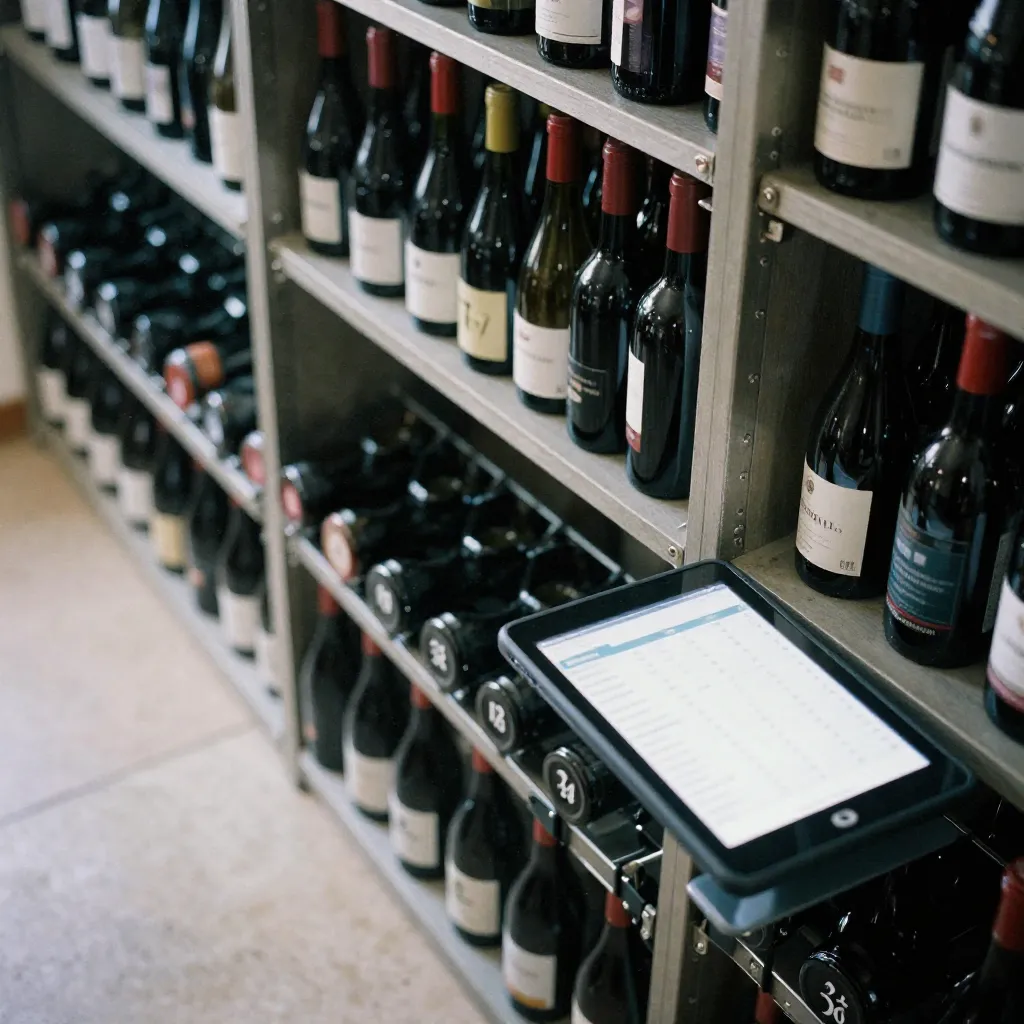
Interactive Databases
Cloud-based systems enable real-time updates and multi-device access. Search and filter functionality helps locate specific bottles quickly using various criteria.

Spreadsheet Systems
Filterable spreadsheets with tags for vintage, region, and drink-by dates provide flexible organization. Customizable columns allow tracking of specific collection details.
System Features

Comprehensive Tracking
Catalog systems support detailed bottle information including producer, vintage, region, and acquisition details. Location codes help identify physical placement within your storage space.
Condition tracking and consumption history provide valuable insights for collection management decisions. These records support informed choices about when to enjoy specific bottles.
Choosing Your System
Collection Size
Smaller collections may benefit from simple spreadsheet formats, while extensive cellars often require comprehensive database solutions with advanced search capabilities.
Access Preferences
Consider whether you prefer digital access from multiple devices or physical documentation for offline reference. Many collectors use hybrid approaches combining both formats.
Update Frequency
Digital systems facilitate quick updates and real-time synchronization. Physical catalogs require manual updates but provide permanent, unchangeable records.